
Lists
Why Sci-Fi & Fantasy TV Is Dominating 2026
From House of the Dragon to Silo and X-Men '97, sci-fi and fantasy shows are ruling 2026. We break down why these genres are resonating more than ever.
You know the moment. You’re catching up with a friend over coffee, and they ask what you’ve been watching. You start to say “House of the Dragon,” then pause, because wasn’t Silo just as gripping last week? And didn’t you spend Sunday rewatching that gut-wrenching finale of X-Men ’97? Suddenly, your entire summer viewing list is pure sci-fi and fantasy. You’re not alone. In 2026, genre television has gone from popular to dominant.
According to real-time tracking data and audience buzz, sci-fi & fantasy TV is driving cultural conversation like never before. Three of the highest-rated ongoing series this year, House of the Dragon, Silo, and X-Men ’97, all belong squarely to speculative fiction. They’re mainstream anchors now, not niche outliers, pulling in viewers across age groups and geographies. Call it a shift, not a fluke.
The 2026 Sci-Fi & Fantasy Surge
Look at the numbers. House of the Dragon, now in its third season, maintains an 8.4 average rating on TMDB, with episodes routinely trending globally within hours of release. Silo, Apple TV+’s dystopian drama, just wrapped its fourth season with similarly high marks (8.19) and a fanbase dissecting every hidden clue in Juliette’s underground world. Meanwhile, X-Men ’97, a revival of a 1990s cartoon, has stunned critics and audiences alike, earning an exceptional 8.7 rating for its emotionally charged storytelling and bold narrative risks.
These are watercooler phenomena, not just hits. While procedurals and rom-coms still have their place (see Our Sticky Love or the enduring warmth of Ted Lasso), it’s the dragons, mutants, and sealed silos that dominate discourse. Even animated fantasy like One Piece and Bleach continues to thrive, proving that sci-fi & fantasy TV spans formats, tones, and generations.
Escapism With Substance
Let’s be clear: people aren’t flocking to these shows just to see cool powers or epic battles. They’re drawn to worlds that feel familiar in their anxieties. Silo mirrors our fears about authoritarian control, environmental collapse, and the cost of truth. House of the Dragon explores gender, legacy, and the corrosive nature of power, themes that resonate deeply in today’s political climate. And X-Men ’97? It’s always been a metaphor for marginalization, but in 2026, its message about belonging and resistance feels urgently relevant.
Call it allegory dressed in dragonfire and mutant DNA, not empty escapism. Viewers want stories that transport them, but also reflect back the complexities of real life. As we noted in our piece on why comfort TV like Ted Lasso still resonates, audiences crave emotional truth. Sci-fi and fantasy deliver it through metaphor, making hard truths easier to swallow, and harder to ignore.
Streaming’s High-Stakes Bets
The dominance of genre TV also reflects streaming’s evolving strategy. HBO doubled down on Westeros with House of the Dragon, knowing that George R.R. Martin’s universe remains one of the most bankable IPs in entertainment. Apple TV+ built its original slate around prestige sci-fi, pairing Silo with Foundation to create a brand identity rooted in cerebral futurism. Disney+, meanwhile, leveraged nostalgia and animation expertise to resurrect X-Men ’97, a move that paid off with record engagement among both Gen Z and millennial viewers.
These platforms are investing in serialized, character-driven sci-fi & fantasy TV that rewards long-term commitment, not just throwing money at effects-heavy spectacle. And it’s working: subscribers stay for the world-building, but they return for the characters.
Legacy Meets Innovation
What’s especially striking in 2026 is how seamlessly legacy franchises coexist with original visions. House of the Dragon expands a beloved saga without merely rehashing it. X-Men ’97 honors its animated roots while pushing the story into uncharted emotional territory. At the same time, Silo, based on Hugh Howey’s indie-published novels, proves that wholly original IP can compete with Marvel-sized universes.
This balance keeps the genre fresh. Fans get the comfort of returning to known worlds, but creators aren’t trapped by nostalgia. They’re using established frameworks to explore new ideas, like how X-Men ’97 tackles grief and leadership after Professor X’s death, or how Silo uses its claustrophobic setting to examine collective memory and rebellion.
Global Appeal, Local Nuance
Sci-fi and fantasy also transcend borders more easily than most genres. A dragon doesn’t need translation. A mutant’s struggle is universal. But 2026’s best genre shows aren’t culturally flat. Our Sticky Love, while not sci-fi, exemplifies how Korean drama sensibilities, melodrama, amnesia tropes, emotional intensity, are influencing global storytelling rhythms. Even in Western genre shows, we’re seeing more diverse casting, non-Western mythologies, and multilingual dialogue that grounds fantastical settings in lived reality.
This fusion makes sci-fi & fantasy TV feel both expansive and intimate. You can watch a show set in a post-apocalyptic silo and still recognize the human impulses driving it, because those impulses are drawn from real, varied experiences.
Tracking the Next Big Thing
So what’s next? If history holds, the next breakout genre hit is already airing, just under the radar. That’s where tools like ScreenAtlas come in. By tracking what real users are watching right now, not just what’s trending on social media, you can spot rising shows before they explode. Based on early August data, several new fantasy and sci-fi entries are gaining momentum fast, perfect for fans who love getting in on the ground floor.
And if you’re looking for your next binge, don’t miss our curated list of best shows to watch this August 2026, which includes deep cuts alongside the genre giants. Or, if you find yourself rewinding old favorites, you’re in good company: data shows classics like Game of Thrones remain among the most rewatched shows on ScreenAtlas.
Keep reading
More from the journal
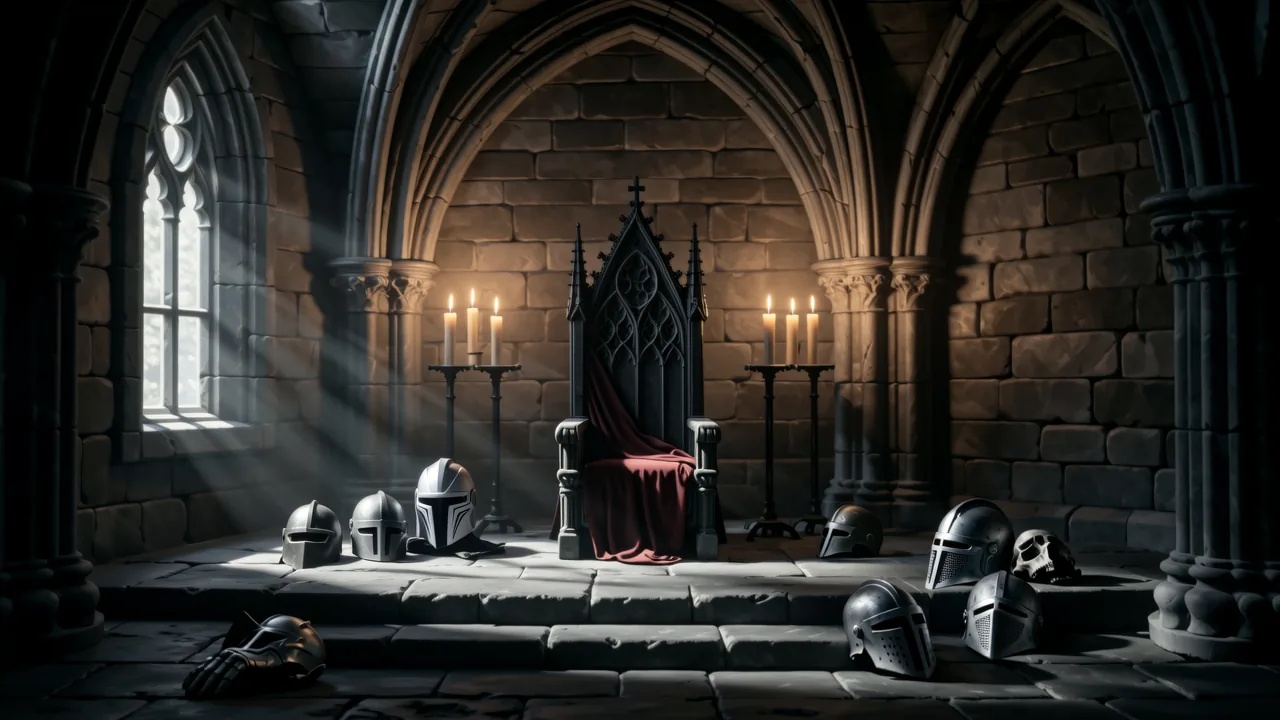
Amazon's Warhammer 40,000 Animated Series: What We Know
Amazon is developing a 'Warhammer 40,000' animated series with Henry Cavill producing. Here's everything revealed so far about the sci-fi adaptation.
Every Major Streaming Service in 2026, Explained
A plain-English guide to the 2026 streaming landscape: what Netflix, Max, Apple TV+, Disney+, Prime Video, Hulu, Paramount+, and Peacock each do best, and how to build a stack that fits your watching.

Best Comfort TV Shows for Stressful Times
These comfort TV series offer warmth, humor, and hope without heavy drama or anxiety-inducing plots.

Best Shows to Binge This Late Summer 2026
Looking for the perfect late-summer binge? These under-the-radar and fresh-off-season shows offer adventure, mystery, and escape as August winds down.